

- SpaceTech
- News
- News Details
- Engineering solar power for Ariel
Engineering solar power for Ariel
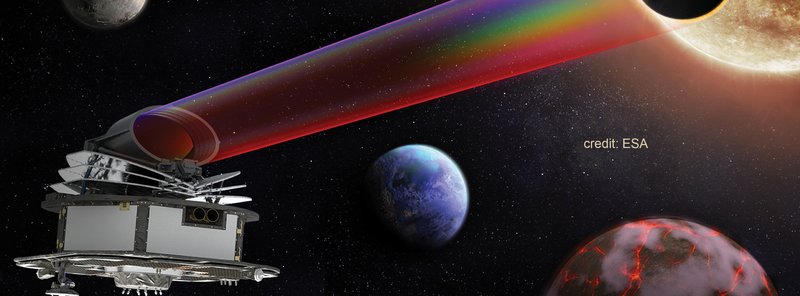
ESA’s Ariel mission will study the atmospheres of hundreds of planets beyond our Solar System. Its findings will help scientists better understand how planets form and evolve.
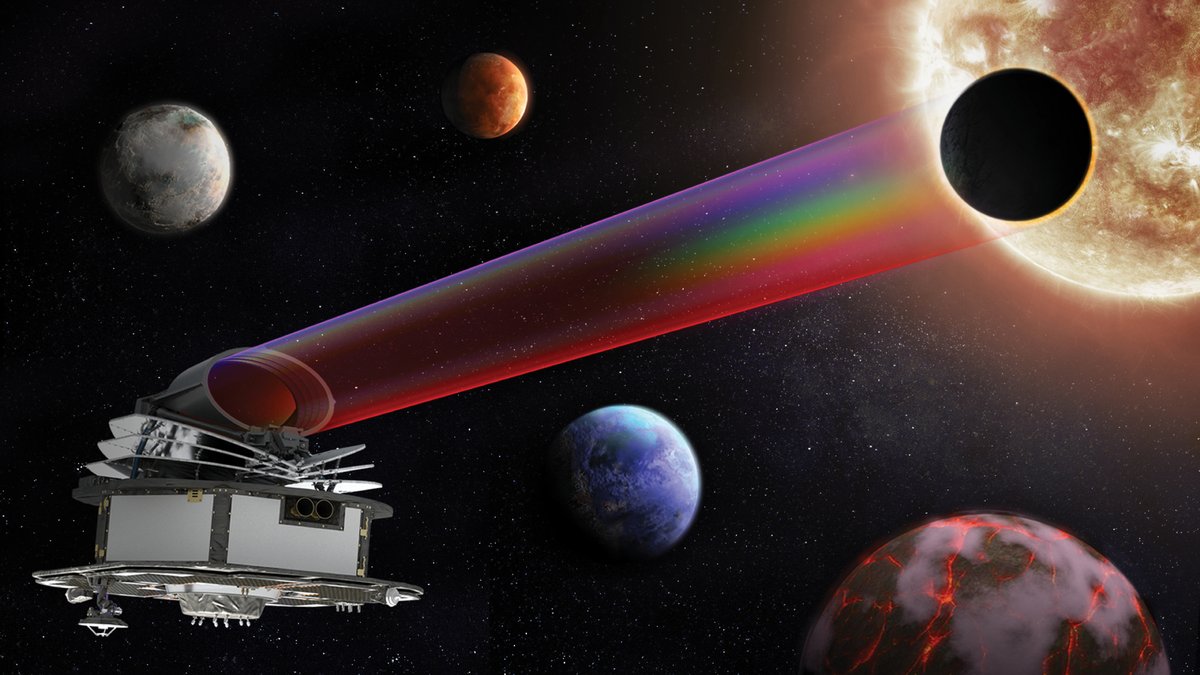
SpaceTech’s contribution
SpaceTech is developing Ariel’s compact, body-mounted solar array. The four panels are designed to provide reliable power while meeting the mission’s strict requirements for space, weight and durability.
SpaceTech‘s reliable solar-array solutions
Three SpaceTech papers at European Space Power Conference ESPC 2026 highlight complementary aspects of reliable spacecraft power systems:
- The engineering of Ariel’s thin, body-mounted solar-array substrate. This paper addresses the challenges of designing an exceptionally thin and lightweight body-mounted solar-array substrate for Ariel.
- The development of multi-hinge tape-spring-driven deployment systems. The paper examines multi-hinge tape springs as a compact and dependable mechanism for deployable space structures.
- A compact engineering model for predicting the performance of triple-junction space solar cells under realistic environmental conditions - developed by SpaceTech together with AZUR SPACE Solar Power, The paper eleborates a one-diode engineering model that explicitly accounts for changes in illumination, operating temperature and radiation exposure. The model reproduces the main temperature and radiation-degradation trends of AZUR 3G30 gallium-arsenide triple-junction solar cells in good agreement with datasheet values and can be implemented in SPICE-based simulation tools.
Together, the three studies demonstrate SpaceTech’s capabilities across lightweight solar-array structures, reliable deployment mechanisms, and solar-cell performance prediction and verification. This integrated engineering approach supports solar-array sizing and system-level power analysis while helping ensure that spacecraft power systems remain dependable throughout the demanding thermal, radiation and operational conditions of a mission.
Find more detailed information in the papers on the ESPC website shortly:
European Space Power Conference (ESPC) - Conference Table of Contents | IEEE Xplore
